
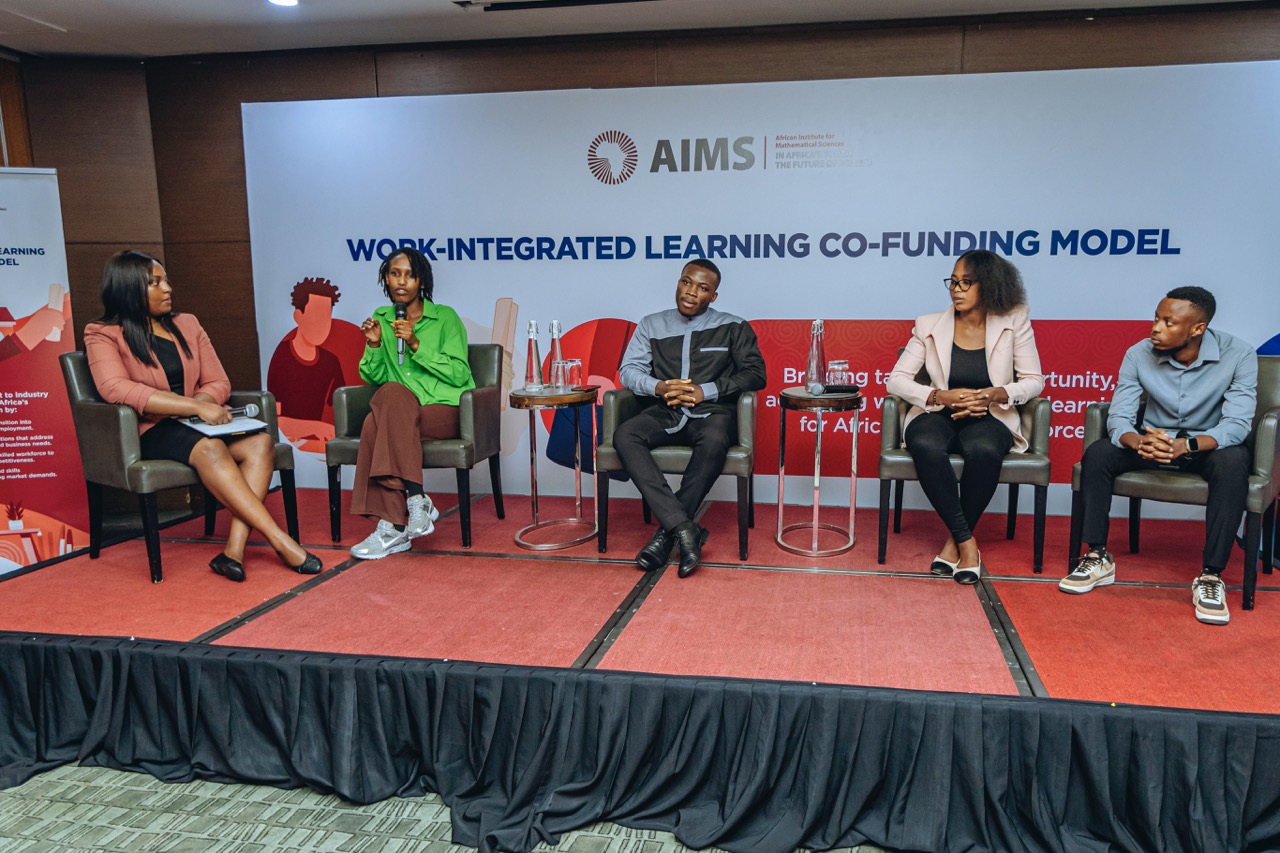
We have concluded the 2026 AIMS Work-Integrated Learning (WIL) Co-Funding Model Workshop, marking another important step in strengthening the bridge between academia and industry.
During the workshop, we highlighted the tangible impact of the initiative, with AIMS alumni successfully placed across partner institutions and several securing full time employment opportunities. Hearing directly from alumni reinforced the value of experiential learning in shaping confident, work ready graduates.
The event also opened critical conversations around skills mismatches, bringing together industry leaders from the public and private sectors to explore practical strategies for facilitating a seamless transition from academic excellence to meaningful employment.
The Director General of the Higher Education Council (HEC), Edward Kadozi,PhD, commended AIMS for leading this effort while emphasizing the national relevance of such initiatives, noting: “Every student in higher learning will engage with at least one unit in industry through work integrated learning. Students need to experience life at work and engage real life challenges. We seek to scale this nationally.”
In his remarks, Prof. Sam Yala, AIMS Rwanda Centre President, called for deeper partnerships that go beyond placements, urging stakeholders to focus on enabling alumni to make meaningful contributions that strengthen institutions and drive innovation.
We extend our sincere gratitude to all participants and partners who continue to collaborate with us in shaping the future of African youth through science, skills, and opportunity.
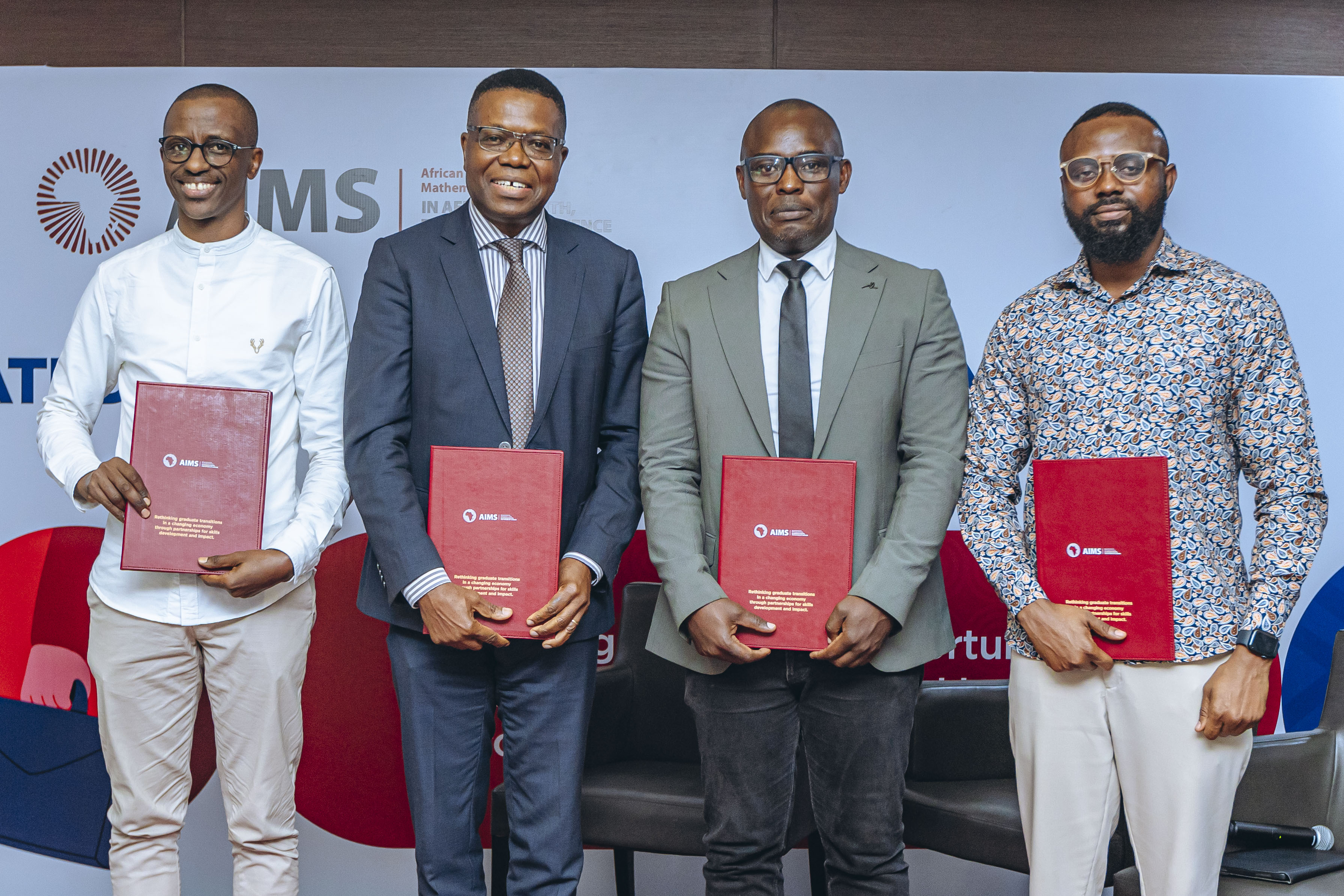
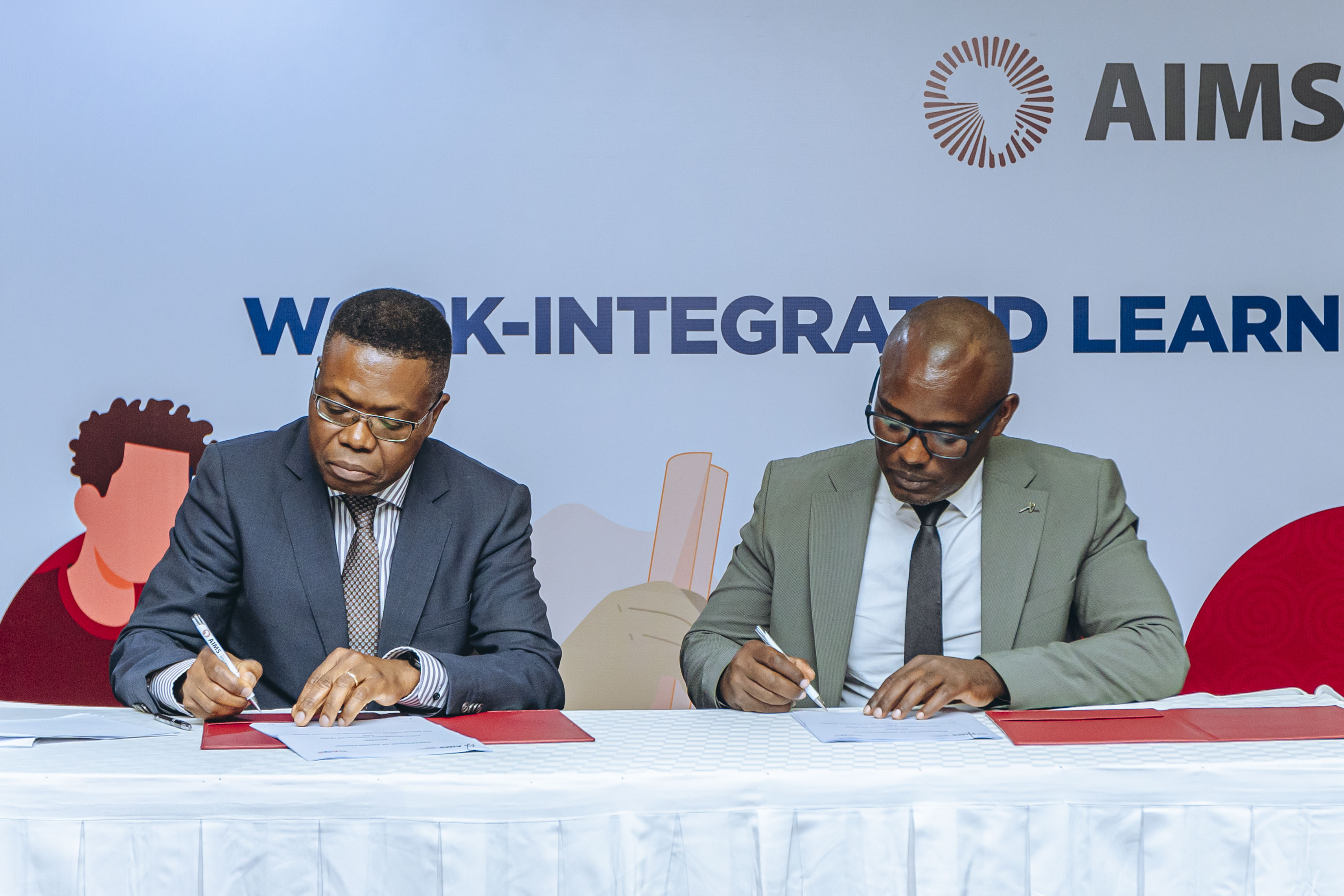
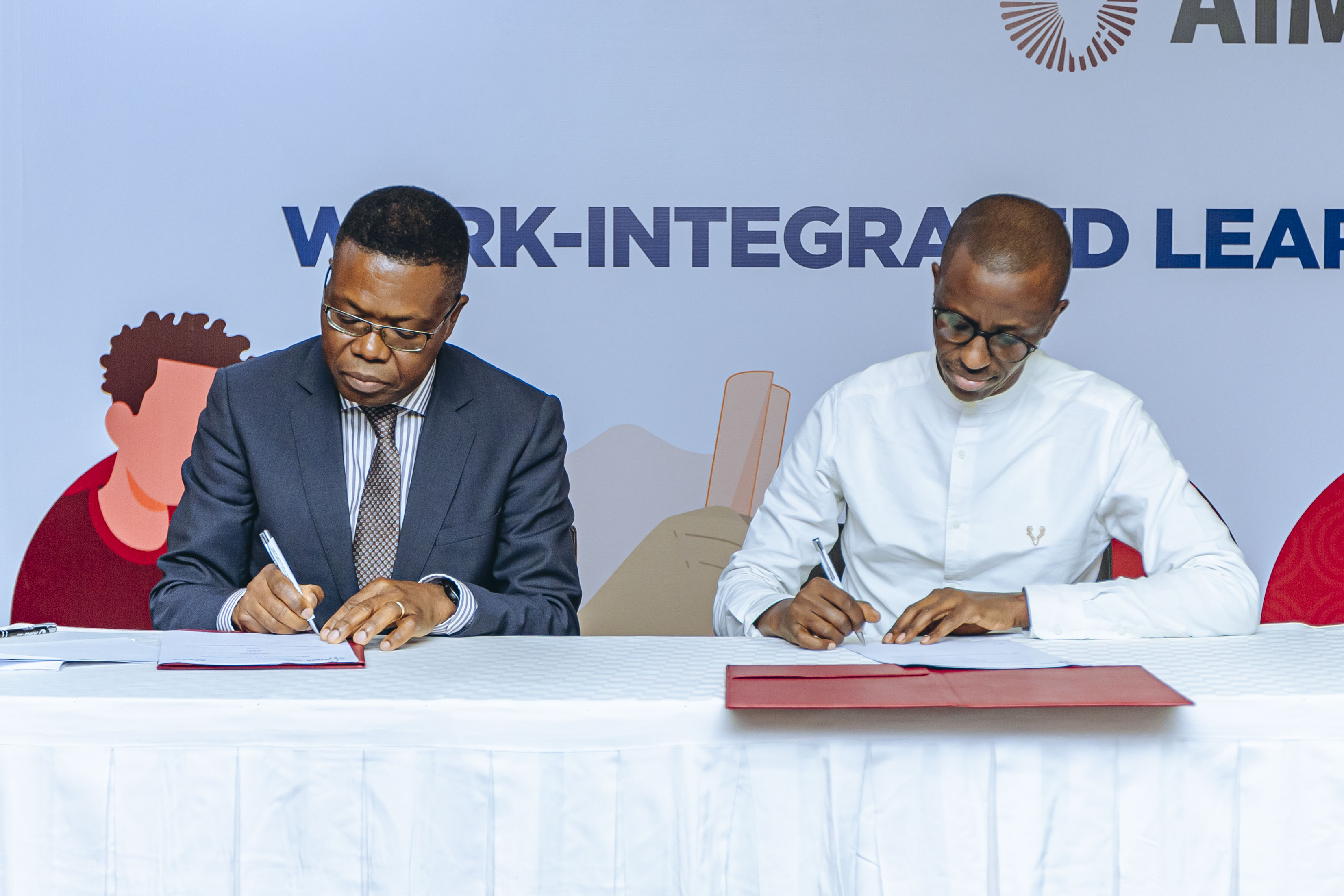
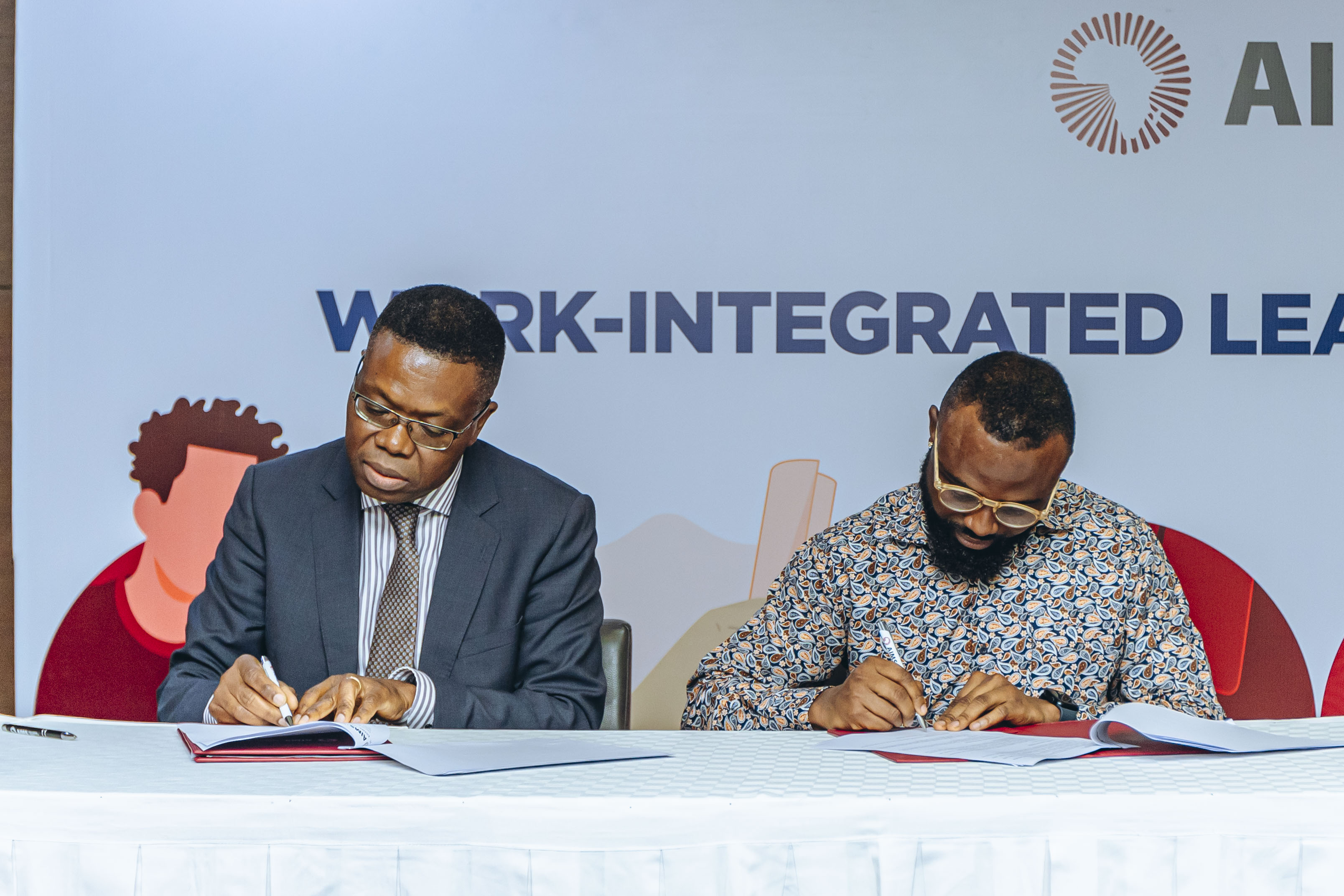
During the AIMS Work-Integrated Learning (WIL) Co-Funding Model workshop that took place in February 2026, African Institute for Mathematical Sciences (AIMS) signed Memoranda of Understanding with three private sector partners: eFiche, AmaliTech, and Africa Quantitative Sciences (AQS) at today’s workshop.
These partnerships are designed to support the transition of AIMS students from academic theory to employment and fellowship opportunities through structured industry engagement.
By strengthening collaboration between academia and industry, the agreements will help accelerate graduates into meaningful careers where they can contribute to Rwanda’s and Africa’s digital ambitions within organizations driving innovation and impact.
 English